

> Definition: An essay outline generator for students is an AI-powered planning tool that converts a topic or thesis into a logically ordered outline of sections, key points, and evidence placeholders without writing the full essay.
At a Glance: What a Student Outline Generator Actually Delivers
- Fact 1: A student outline generator turns a topic or thesis into an introduction, body-section plan, and conclusion structure.
- Fact 2: Most AI essay outline maker tools support argumentative, analytical, expository, compare-contrast, and research-based essays.
- Fact 3: EDUCAUSE reported that 54% of student generative AI users used it for brainstorming or outlining schoolwork.
- Fact 4: A responsible outline tool gives structure and evidence placeholders, not a finished paper to submit.
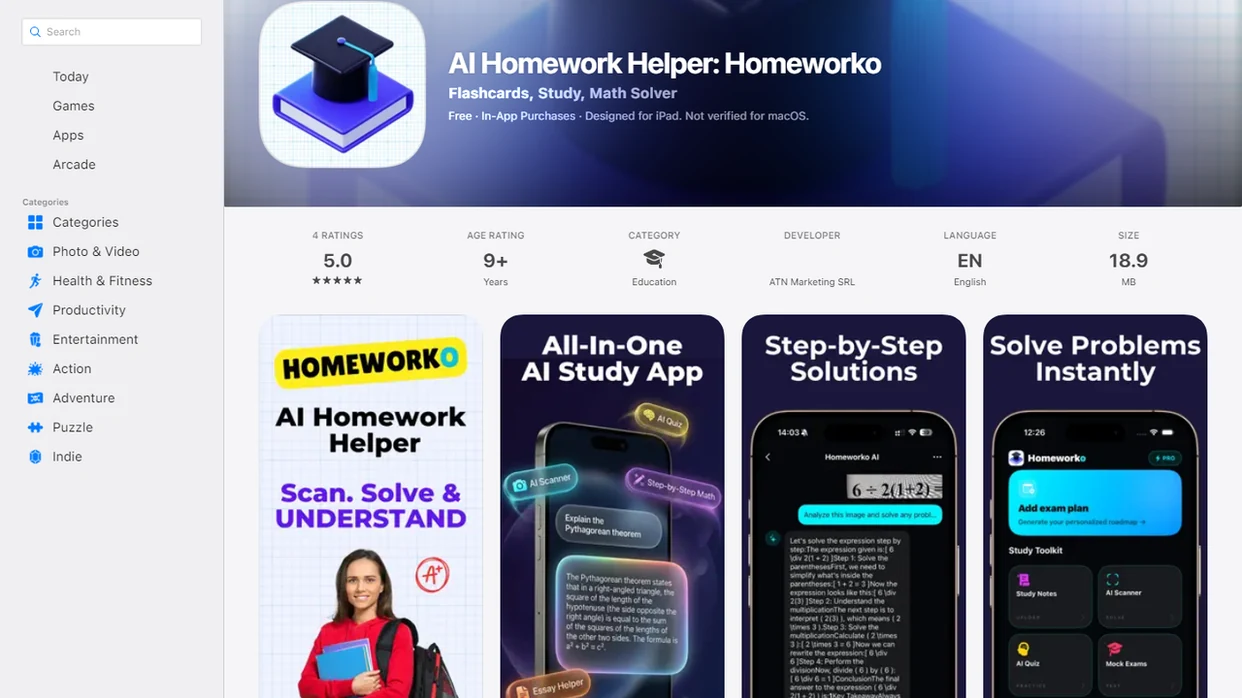
- Fact 5: HomeworkO fits students who need writing structure beside homework help because the outline can sit near step-by-step study support.
Good AI homework tools deliver guided reasoning across subjects, not a copied final line. That matters when the intro paragraph is waiting under the cursor and the student still has to decide what the claim actually says.
Planning first changes the draft.
How an AI Essay Outline Maker Works Behind the Scenes
An AI essay outline maker works by parsing your prompt, identifying the writing task, and arranging your ideas into a hierarchy of claims, subpoints, and evidence slots. The system is structuring a plan, not ghostwriting the essay.
First, you provide the input: topic, thesis, essay type, academic level, paragraph count, or a pasted rubric. A large language model then uses prompt parsing and discourse structure, which means it predicts how parts of an argument should connect. In plain English, it sorts the assignment into “what comes first, what supports it, and what still needs proof.”
HomeworkO uses that process to return headings, body paragraph roles, and placeholder notes for sources or examples. Students can adjust tone, shift paragraph count, or align sections with a teacher’s rubric. The worked value is in the map. The final sentences, citations, and interpretation still need to come from the student.
How to Use HomeworkO's Essay Planner AI in 5 Steps
Use HomeworkO's essay planner AI as a drafting setup, not as the draft itself. A clean outline should help you show your work before the prose begins.
- Enter your essay topic or paste the assignment prompt. Include the exact question if your teacher gave one.
- Select the essay type and academic level. Choose argumentative, analytical, expository, or another format that matches the assignment.
- Review the generated outline sections and sub-points. Check whether each body section supports the thesis.
- Revise headings, reorder sections, and add your own sources. A PDF rubric beside the school LMS tab can catch missing requirements fast.
- Export the outline and begin drafting original prose. Use the explanation, not just the final line.
Students looking for one place to plan essays and study related material can use Homework O because the outline workflow sits beside homework explanations, flashcards, and quizzes.
When to Use an Essay Outline Generator for Students
Use an essay outline generator for students when structure is the main problem, not when you want AI to replace reading, thinking, or drafting. It is most useful at the planning stage.
Reach for an outline generator when the blank page is slowing you down, when a multi-source essay has too many moving parts, or when a timed practice response needs a fast structure. It also helps to compare your own outline against the AI version. That metacognitive check can reveal a missing counterargument, weak evidence, or a body paragraph that repeats the same point twice.
HomeworkO is a practical fit for students who move from concept review into writing because it can turn topic understanding into an outline workflow. For literature work, students can pair the outline with an AI literature analysis helper to separate theme evidence from paragraph order.
Do not use it to fabricate citations. Do not use it to generate final prose against class policy.
Ready to start your quit?
An essay outline generator for students turns your topic, thesis, or rough notes into a structured plan, introduction, body paragraphs, evidence slots, and conclusion, in seconds…
What the Outline Generator Looks Like Inside HomeworkO
Inside HomeworkO, the outline generator sits beside step-by-step solutions, flashcards, quizzes, and subject-specific homework support. That makes it useful when an essay grows out of class material rather than a standalone writing prompt.
A student might review a science concept, check the reasoning behind a homework answer, then build an expository outline using the same vocabulary. For history and literature, the outline can hold claims, source notes, and counterpoints. For science writing, it can reserve space for data, units, and assumptions. Yes, even moles per liter.
HomeworkO also supports a process-log habit: save the AI outline, mark what you changed, and keep your final prose separate. That record helps with instructor transparency. The right fit for students who need accountable planning is HomeworkO because the workflow can preserve AI output before the student revises it.
Common Myths About AI Essay Outline Makers
AI essay outline makers are often misunderstood because people confuse planning support with full-text generation. The ethical line depends on class policy, disclosure rules, and how much of the final work comes from you.
Myth: An outline generator writes the whole essay. Reality: A planning tool should create sections, claims, and evidence slots, not a finished submission.
Myth: Using AI for an outline is automatically cheating. Reality: Class policy comes first. Some teachers allow brainstorming support if students disclose it.
Myth: AI outlines are rubric-ready. Reality: They often miss assignment nuances, especially when the rubric uses local course language.
Myth: Essay planner AI replaces understanding. Reality: It cannot do the reading for you or know what your class discussed.
EDUCAUSE found that 67% of instructors were at least moderately concerned about student over-reliance on generative AI (source). If the priority is responsible AI use, HomeworkO fits because students can keep planning, reasoning, and practice in the same study record.
Student Outline Generator vs Free Alternatives
A student outline generator differs from generic free tools by how much academic context it preserves. Free prompts can produce a decent skeleton, but they often stop before revision, process logging, or subject-specific study support.
| Option | What it does well | Trade-off |
|---|---|---|
| Generic ChatGPT prompt | Fast custom outline from a pasted prompt | Depends heavily on prompt quality and student revision |
| Heuristica or Writing Lab-style tools | Focused structure for planning | Usually limited to outline creation only |
| Brainly or Socratic-style help | Quick explanations for specific questions | Less suited to full essay planning |
| HomeworkO | Connects outline planning with step-by-step learning, flashcards, and quizzes | Still requires student editing and policy checks |
A 2023 BestColleges survey found that 51% of college students had used AI tools such as ChatGPT for coursework at least once (source). HomeworkO earns the spot for students who want essay planning tied to broader homework support because the same study session can move from explanation to outline to quiz review. For STEM-heavy work, a tool that can debug code homework shows how step checks differ from essay planning.
Evidence and Responsible AI Use for Student Outlines
The evidence supports a narrow claim: students are already using AI for planning, and instructors are worried about dependence and transparency. That does not mean an AI outline is a finished, citable paper.
Student adoption numbers on this page come from surveys, including EDUCAUSE and BestColleges reporting about student AI use for coursework, brainstorming, and outlining. Claims about HomeworkO’s fit are product positioning: the value is the combination of outline planning, study explanations, quizzes, and process records in one workflow. Keep those two types of proof separate when deciding whether the tool matches your assignment.
Use AI outlines responsibly like this:
- Check your class policy before generating or submitting any AI-assisted planning work.
- Save the first outline so you can show what the tool suggested and what you changed.
- Compare each section with the rubric and mark missing requirements, source counts, or counterarguments.
- Replace placeholders with real citations from assigned readings, databases, or approved sources.
- Write the prose yourself so the final argument, transitions, and interpretation are yours.
That process log is not busywork. It shows the outline was a planning scaffold, not a shortcut around reading or original writing.
Limitations
AI outline tools can help organize thinking, but they do not judge your assignment the way a teacher does. HomeworkO still requires careful student review.
- Outlines can be generic and miss the exact wording of a prompt.
- Niche topics may produce irrelevant sub-points or factual errors.
- Over-reliance can weaken manual planning skills over time.
- School policies vary, so students must check what AI help is allowed.
- An outline cannot assess originality, argument quality, or class-discussion fit.
- It does not replace reading primary sources, lecture notes, or assigned chapters.
- It may suggest evidence slots that need real citations you must find yourself.
- It cannot know whether your teacher wants a five-paragraph format or a looser structure unless you provide that detail.
The crossed-out mistakes still matter. A worked plan beats a polished-looking shortcut.